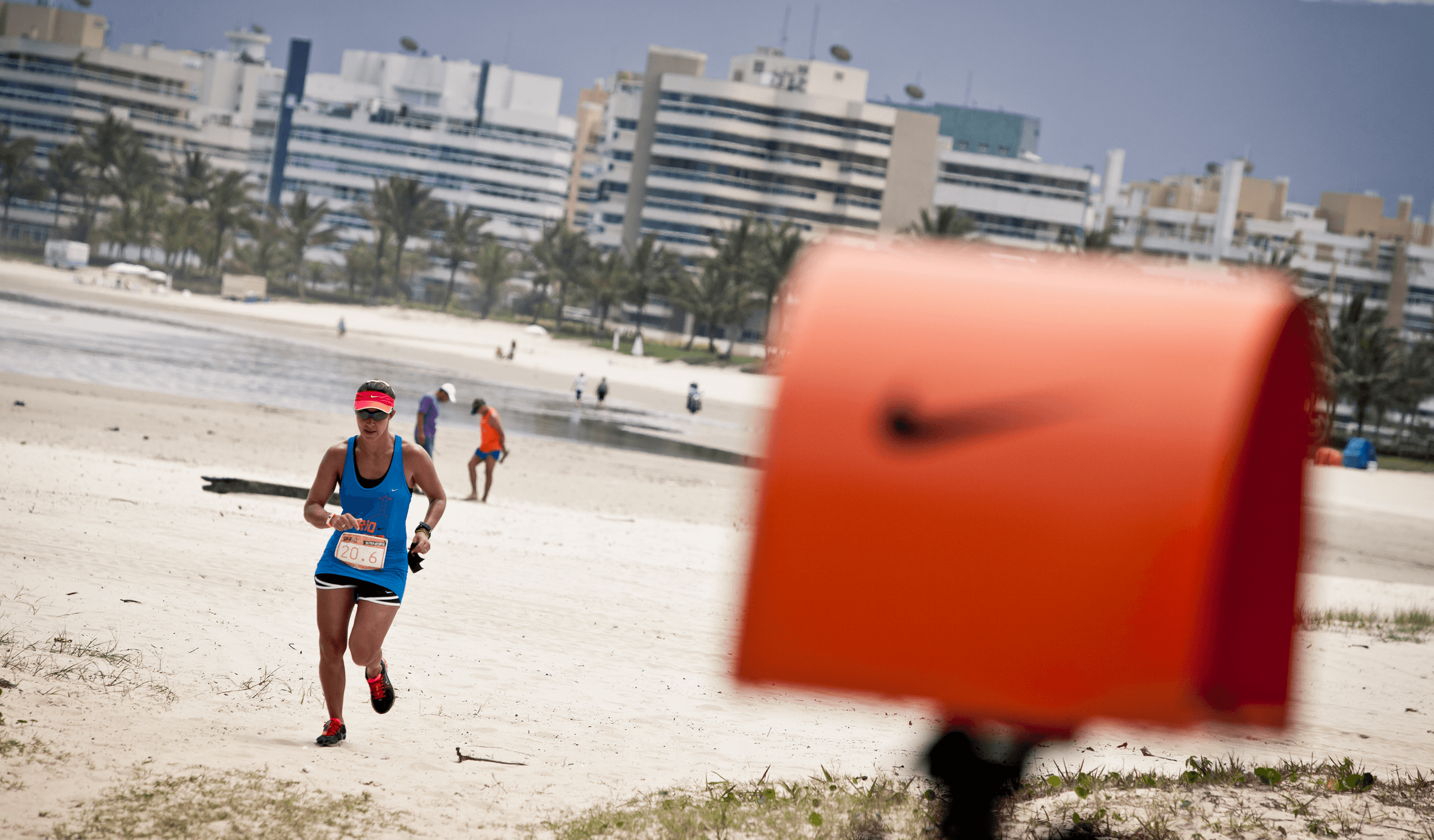
The São Paulo–Rio Relay Race wasn’t conceived as a sporting event. It was designed as proof that running could become something else. Until then, running in Brazil was largely solitary, disciplined, and measured by performance. We wanted to replace that culture with one built around friendship, emotion, and shared achievement. The relay became the first large-scale expression of that idea, turning a 600-kilometer race into an invitation for thousands of people to experience running as a collective celebration.
The São Paulo–Rio Relay Race wasn’t conceived as a sporting event. It was designed as proof that running could become something else. Until then, running in Brazil was largely solitary, disciplined, and measured by performance. We wanted to replace that culture with one built around friendship, emotion, and shared achievement. The relay became the first large-scale expression of that idea, turning a 600-kilometer race into an invitation for thousands of people to experience running as a collective celebration.
Technology became part of the storytelling. Every runner carried an RFID chip that triggered cameras along the route, automatically publishing race photos to social media moments after they were taken. Today that sounds ordinary. In 2010, it felt almost magical. For people running through the night between São Paulo and Rio, those images instantly transformed an exhausting personal effort into something their friends could witness in real time. The race stopped belonging only to the runners. It became something everyone could follow, cheer, and participate in.
Technology became part of the storytelling. Every runner carried an RFID chip that triggered cameras along the route, automatically publishing race photos to social media moments after they were taken. Today that sounds ordinary. In 2010, it felt almost magical. For people running through the night between São Paulo and Rio, those images instantly transformed an exhausting personal effort into something their friends could witness in real time. The race stopped belonging only to the runners. It became something everyone could follow, cheer, and participate in.
The relay returned for three consecutive years, won a Cannes Gold Lion in Branded Content, and helped establish a new language for running culture in Brazil. More importantly, it showed what happens when a strategic insight grows into a living system. Together with the broader Coisa da Boa movement, it helped make running younger, more social, and more emotionally contagious. Even today, it’s common to meet Brazilian runners who say those years were the moment they first decided to start running.